







Search Results for: Flavor Spectrum Classification
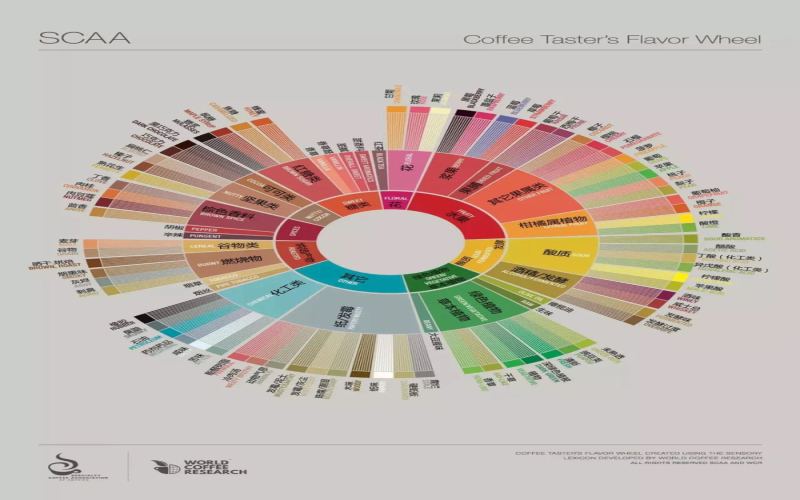
SCAA Coffee Flavor Wheel Full Analysis: Sensory Classification from Fermentation to Roasting and the Defect Deduction Mechanism
The SCAA Coffee Flavor Wheel is a core tool for specialty coffee enthusiasts to identify flavors, yet many people are still unfamiliar with it. This article systematically breaks down the left-right structure of the flavor wheel: the right side, the normal flavor spectrum, reveals the three major aroma sources of fermentation, sugar browning, and dry distillation, while the left side, the negative flavor spectrum, corresponds to the defective flavors produced by improper green bean processing, storage, and roasting. It also explains in detail the deduction rules for different defects in SCAA cupping—serious defects deduct 4 points, minor defects deduct 2 points—and how roasting and organic matter loss, although not deducting defect points, can lower flavor performance. The article includes the latest high-definition Chinese-English flavor wheel images and retains Front Street Coffee's communication channels, making it suitable for readers who want to gain a deeper understanding of coffee sensory evaluation. [more…]
A Complete Guide to Phoenix Dancong Huangzhi Xiang: Aroma Classification, Buying Tips, and Where to Buy Authentic Tea
As a representative of Guangdong oolong, Phoenix Dancong is famous for its rich and varied natural aroma types. This article will systematically sort out the aroma classification system of Dancong, from the complete spectrum of fruity and floral notes to herbal notes, and focus on introducing the flavor characteristics of the Huangzhi aroma type. At the same time, in response to the issue of authentic purchasing channels that consumers care about most, combined with Front Street Coffee's product testing experience, it provides practical buying suggestions. Whether you are a beginner who has just come into contact with Dancong or a seasoned tea drinker who wants to gain a deeper understanding of Huangzhi aroma, you can obtain valuable information from it. [more…]
A Comprehensive Guide to the New SCAA Coffee Flavor Wheel: From Sour, Bitter, Sweet, and Salty to 85 Flavor Layers
The update to the coffee flavor wheel has made the tasting system more complete, but many people still feel confused when faced with descriptions like citrus, berries, and nuts. In daily brewing, Front Street Coffee recommends beans from different regions based on guests' taste preferences, while accurately identifying flavors requires systematic training. This article starts with the four major taste spectrums—sour, sweet, bitter, and salty—and, combined with the complete classification of the new flavor wheel, interprets one by one the specific expressions of floral, fruity, herbal, nutty and cacao, sweet, spice, sour and fermented, alcoholic fermentation, roasted, and other categories, helping coffee enthusiasts build a clear framework for flavor perception. [more…]
Analysis of the Aroma Characteristics of Wudong Mountain Yelai Xiang Dancong Oolong Tea: Cultivar Classification and Flavor Profile
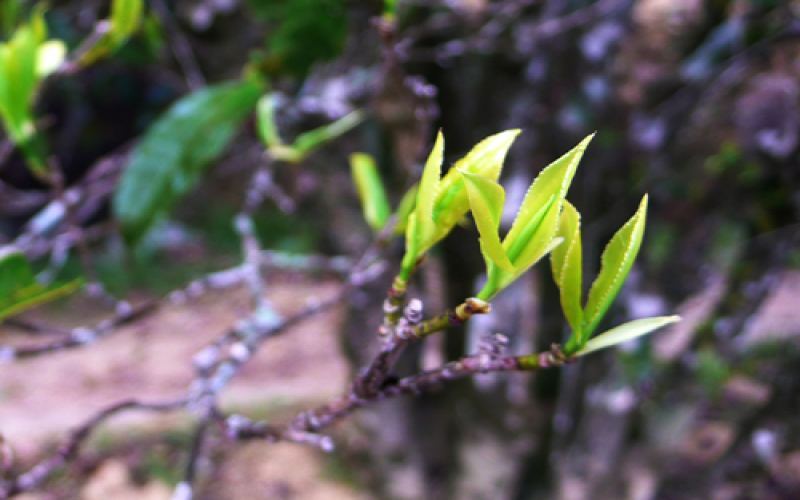
Ye Lai Xiang Dancong is one of the most recognizably aromatic types of Phoenix Dancong, named because the finished tea's aroma resembles night-blooming jasmine flowers. This article explores the variety's classification, growing environment, production background, and flavor profile, introducing you to this oolong tea produced on Wudong Mountain in Chaozhou, handcrafted by Master Lin from single-tree ancient material. The article not only outlines the aromatic characteristics of Ye Lai Xiang Dancong but also covers Wudong Mountain's altitude and ecological conditions, as well as Master Lin's journey from self-taught tea maker to award winner. For coffee enthusiasts and tea lovers who want to deepen their understanding of the Phoenix Dancong aroma system and the allure of single-tree ancient bushes, this is a piece that offers both informative depth and tasting reference value. Front Street Coffee also continues to follow such beverages that express regional terroir. [more…]

A Complete Analysis of Ethiopia's Nine Major Coffee Regions: Yirgacheffe, Sidamo Native Species Flavors, and Front Street Roasting & Brewing Guide
As the birthplace of Arabica coffee, Ethiopia is home to the world's largest coffee gene pool. Its nine specialty regions each possess a distinct terroir character, from the citrus and floral notes of Yirgacheffe to the wild, complex aromas of Harrar, from the rich fruity tones of Sidama to the sandalwood finish of Limu, presenting an astonishing spectrum of flavors. This article systematically reviews the altitude, processing methods, and flavor characteristics of Ethiopia's various regions, offers an in-depth interpretation of the variety classification logic behind Heirloom landraces, including the origins of the JARC series, Dega, and Kurume, and, combined with Front Street Coffee's Huakui roasting curve and V60 brewing parameters, provides coffee lovers with a complete guide from origin to cup. [more…]
Yirgacheffe Three Major Production Regions Coffee Guide: A Complete Analysis of Varieties, Processing Methods, and Flavor Profiles
Yirgacheffe is one of Ethiopia's most iconic specialty coffee regions, but the flavor differences brought by different micro-regions and different processing methods are enormous. This article takes three distinctive Yirgacheffe coffees as examples, respectively from Kochere, Aricha, and Gedeb, covering the native Heirloom variety, fully washed, and raised-bed natural processing methods, and describes in detail each one's varietal background, green bean processing flow, grade classification, and cupping flavor performance—from lemon floral notes to fermented fruit sweetness, and further to a fruit-bomb-like rich tonality—helping coffee enthusiasts fully understand the flavor spectrum of Yirgacheffe and Front Street brand's approach to bean selection. [more…]
Yirgacheffe Worka Cooperative Coffee Flavor Analysis: Behind the Floral Aroma and Fruit Acidity, Why Are There So Many Ethiopian Varieties?
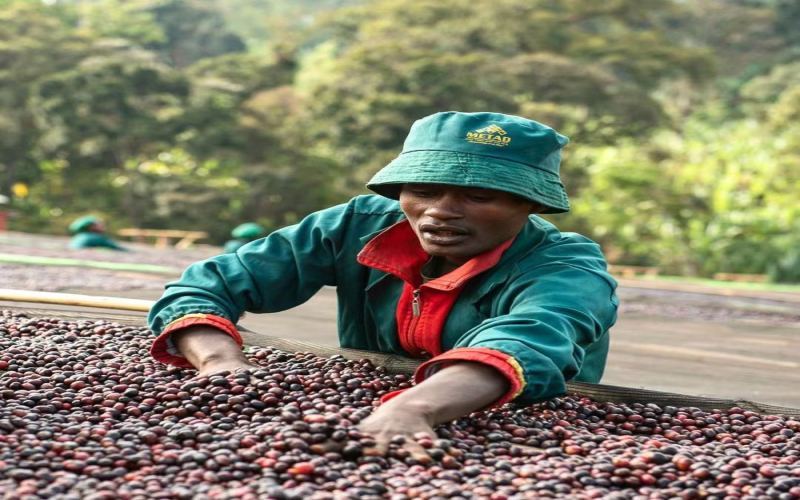
Yirgacheffe has become a shining calling card of Ethiopian specialty coffee thanks to its floral aroma, citrusy acidity, and smooth mouthfeel, while the Worka Cooperative stands out even more with its anaerobic natural processing, which brings unique flavors of strawberry, magnolia, and small Taiwanese mango. This article will provide a complete analysis of this Front Street Worka Cooperative coffee's flavor sources and quality logic, from the Worka Cooperative's origin background, organic certification, and farmer collaboration, to the complex causes behind Ethiopia's diverse Heirloom landraces, and the specific process of anaerobic natural processing, helping you understand why Yirgacheffe can stand out among numerous producing regions and possess such a rich and varied flavor spectrum. [more…]

The Coffee Flavor Map from Sour to Bitter: A Detailed Guide to Buying by Origin, Variety, and Processing Method
Faced with a dazzling array of coffee beans, how do you pinpoint the one that matches your taste? This article sorts through seven representative coffee beans in order from light and refreshing to rich and full-bodied, and from sour to bitter, covering Ethiopian natural, Costa Rican black honey, Brazilian semi-washed, Indonesian wet-hulled, and several espresso blends. Each one is labeled with flavor characteristics, suitable drinkers, and equipment recommendations, with several Front Street brand products serving as typical examples throughout. Whether you are a beginner just starting out or a seasoned connoisseur looking to expand your flavor spectrum, this guide can help you quickly lock in your ideal choice. [more…]
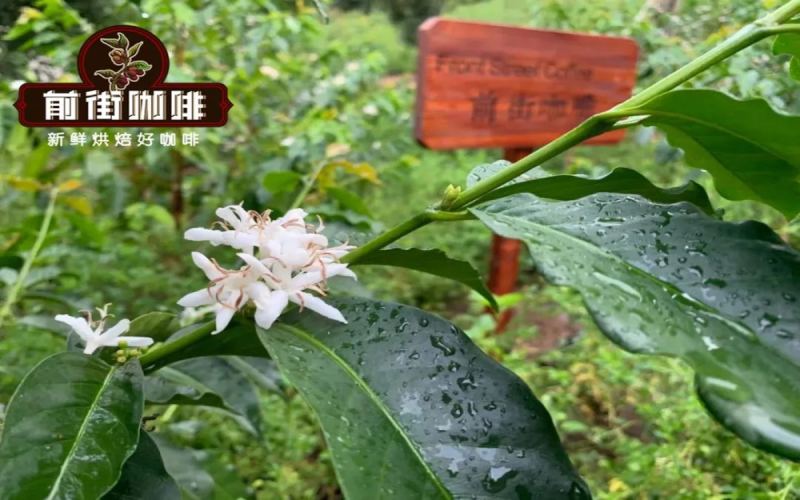
Analysis of Yunnan small-bean coffee varieties: Catimor cultivation origins, regional flavor, and Front Street recommendations
Yunnan coffee has risen rapidly in China's specialty coffee wave in recent years, with major chain brands launching related products one after another. But do you know why Catimor is the main variety of Yunnan small-bean coffee? From the Arabica seeds brought in by French missionaries in 1904 to Nestlé's promotion of Catimor in Pu'er, the varietal evolution of Yunnan coffee has spanned more than a century. This article will sort out the varietal origins of Yunnan small-bean coffee, the genetic characteristics of Catimor, common post-processing methods, and the effects of washing and sun-drying on flavor. It will also introduce the washed Catimor daily beans selected by Front Street Coffee in Baoshan, as well as the Typica variety "Front Street Coffee 2013" cultivated in Lincang, along with suggested pour-over parameters, to help you gain a comprehensive understanding of the flavor spectrum and current state of Yunnan coffee. [more…]
An In-Depth Analysis of Robusta Coffee Beans: Differences from Arabica, Espresso and Single-Origin Applications, and Key Identification Points
Robusta and Arabica are currently the two most widely commercially cultivated coffee varieties. The former is known for its intense, bitter, and steady flavor, with a caffeine content about twice that of Arabica. It has strong stress resistance, high yield, and low cost, and is often used in dark-roasted espresso blends or instant coffee. Its high chlorogenic acid content brings a rich, deep bitterness along with nutty and grainy notes, and if improperly processed, it may also develop earthy or rubbery flavors. Dark-roasted Robusta can give espresso a thick, rich crema, and Italians often blend it into their recipes to enhance the "coffee taste." Indian Royal Robusta proves that with careful cultivation, Robusta can also present a clean flavor. This article focuses on the characteristics of the variety, how to distinguish it from Arabica, the difference between espresso and single-origin, and combines this with the formula and flavor performance of Front Street Coffee's commercial blend coffee beans. [more…]
A Comprehensive Analysis of the Characteristics and Flavor Profile of Ethiopia's Yirgacheffe Coffee Region
In the world of specialty coffee, Ethiopia's Yirgacheffe is undoubtedly one of the most recognizable names. Compared with the expensive Panama Geisha, Yirgacheffe has won the favor of many coffee lovers with its rich floral and fruity acidity and its delicate, bright mouthfeel. This article will systematically examine the unique charm of Yirgacheffe coffee beans from multiple angles, including the geography of the producing region, its historical evolution, processing methods, and flavor performance, and will introduce several representative Ethiopian coffees on Front Street Coffee's bean shelf, helping readers gain a comprehensive understanding of the terroir and flavor profile of this African star producing region. [more…]
Is Tieguanyin a Type of Oolong Tea? The Origin of Its Name, Differences Between Anxi and Taiwan Craftsmanship, and the Correct Brewing Method
Tieguanyin is one of China's ten famous teas, commonly found in cafes across the Taiwan Strait and overseas, but the production styles of Anxi and Taiwan differ significantly. This article starts with Tieguanyin's classification as an oolong tea, outlining the complete process of Anxi Tieguanyin from picking, withering, shaking green, rolling, to roasting, tells the legend of Guanyin's dream behind the name "Tieguanyin," and compares the different flavors of Anxi's light-fermented floral type and Taiwan's heavily roasted strong-aroma type. At the end, correct gongfu brewing suggestions are included to help coffee enthusiasts and tea lovers understand the patience and charm of this tea, while also retaining relevant recommendations from the Front Street brand. [more…]
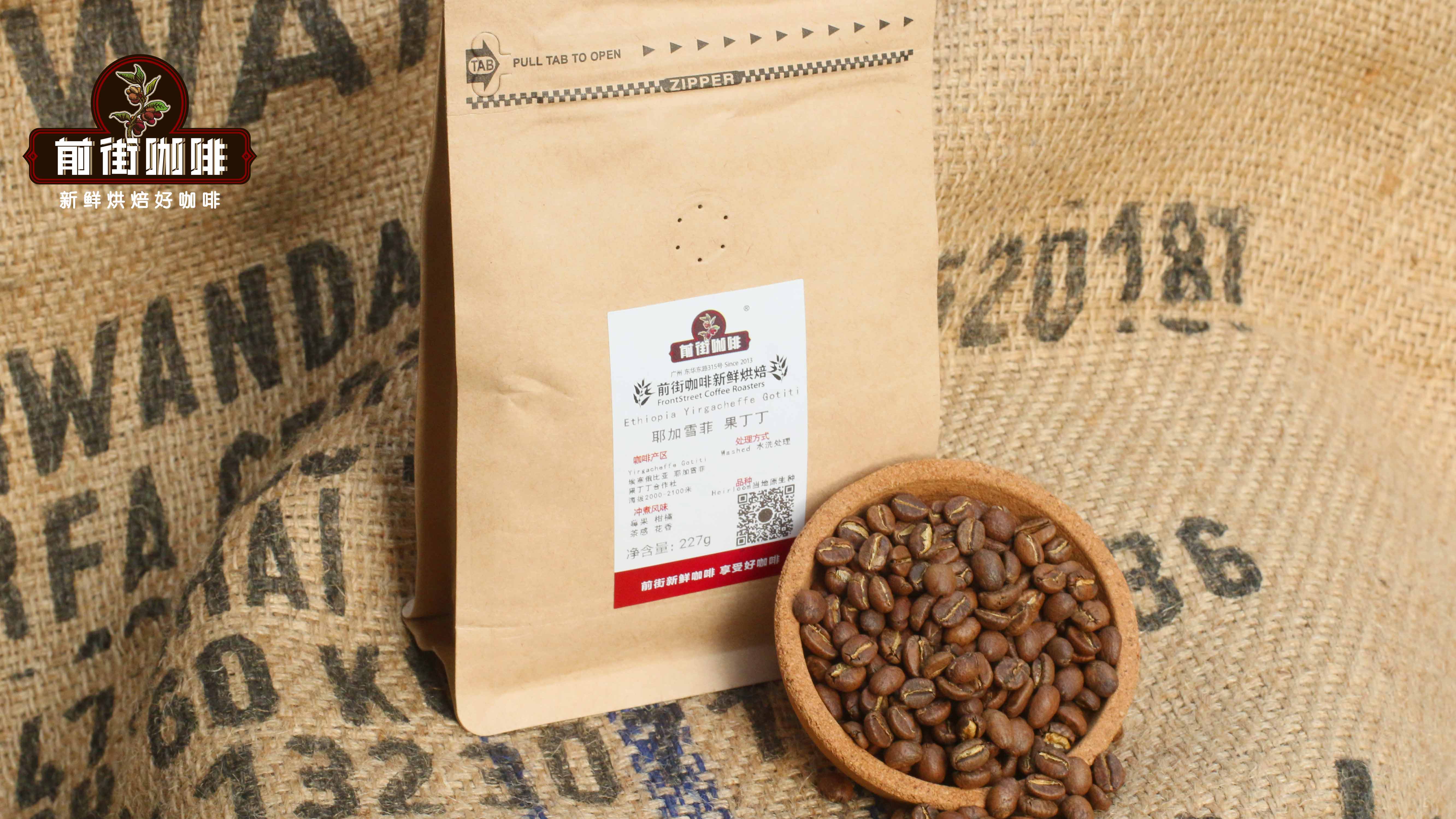
Ethiopian Coffee: A Comprehensive Analysis of Heirloom Varieties, Processing Methods, and Grading Systems
Ethiopia is a genetic treasure trove of coffee, where tens of thousands of heirloom varieties interweave with diverse processing methods to create an extraordinarily rich flavor spectrum. From Yirgacheffe to Sidamo, from washed to natural, the coffee of this East African highland is renowned worldwide for its citrus florals and bright acidity. Yet the uneven bean appearance of landrace varieties, the unique grading system, and the quality boost from the Red Cherry Project together form the distinctive character of Ethiopian coffee. Drawing on Front Street Coffee's shelving experience and cupping records, this article systematically reviews the varietal origins, regional characteristics, processing method differences, and green bean grading logic of Ethiopian coffee, helping coffee enthusiasts gain a deeper understanding of the appeal of this producing country. [more…]
Analysis of Robusta Coffee Growing Altitude and Origin Characteristics: The World's Largest Producer and Flavor Applications
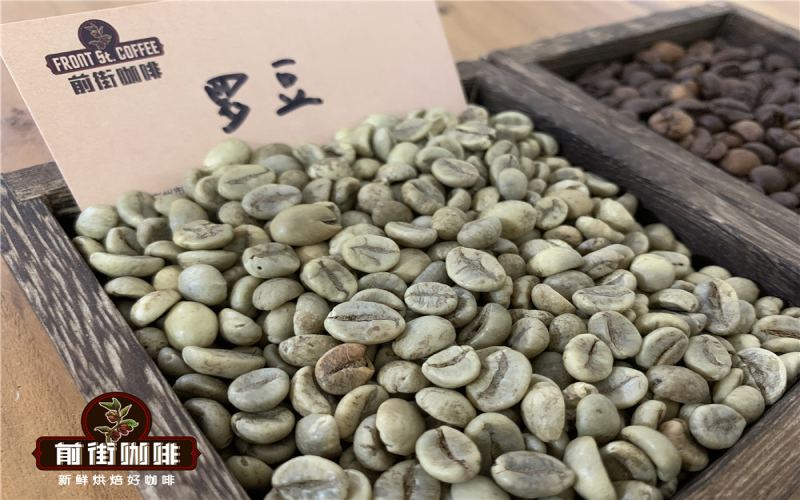
Robusta coffee beans are known for their high yield, full body, high caffeine content, and low cost, and they hold an important position in global instant and blended coffee. As the world's second-largest coffee producer, Vietnam devotes 80% of its output to Robusta, making it the largest current supplier of Robusta. This article will analyze variety classification, plant characteristics, cultivation altitude, and the causes of flavor, and will also explore the value of Robusta in espresso blends in the era of specialty coffee. At the same time, the article will also combine two products, Front Street Classic Blend and Front Street Commercial Blend, to explain how a small amount of Robusta improves the actual performance of crema and a rich mouthfeel. [more…]

The Two-Generation Evolution of the Coffee Flavor Wheel: A Comparative Interpretation of the SCAA Specialty Coffee Flavor Maps from 1995 to 2016
The Coffee Taster's Flavor Wheel is an important tool for every coffee enthusiast and professional to understand coffee flavors. From the first edition of the flavor wheel published by the SCAA in 1995 to the comprehensively revamped new flavor wheel in 2016, the two generations differ significantly in structure, classification logic, and sensory description. This article will compare the design concepts and methods of use of the old and new flavor wheels from a professional perspective, analyze the background and significance of the birth of both versions, and help you cup and taste coffee more accurately. When you come to Front Street Coffee, you can see physical displays of both versions of the flavor wheel in the shop, and follow this article to gain a deeper understanding of the evolution of the Coffee Taster's Flavor Wheel. [more…]
A Beginner's Guide to Coffee Bean Varieties: Understanding Heirloom Varieties and Comparing the Characteristics of Arabica, Robusta, and Heirloom
Walking into a coffee shop, you often see a "100% Arabica" sign, but what exactly makes Arabica so good? And what are the essential differences between it and Robusta? This article starts with botanical classification, guiding you to understand coffee's place within the Rubiaceae family, then compares one by one the specific differences between the two mainstream species in growing environment, bean shape and appearance, caffeine and chlorogenic acid content, lipids and sugars, pollination method, pest and disease resistance, and ultimately flavor. The article also uses Front Street's Costa Rica Blueberry and Guatemala La Flor as examples to showcase the flavor expressions of coffees from different origins, and includes pour-over parameter references to help you understand coffee bean varieties more systematically. [more…]

Interpreting the Ten Major Categories of the Coffee Flavor Wheel: A Tasting Guide and Descriptive Methods from Fruit to Floral
When drinking coffee, have you ever felt that the taste is familiar yet hard to put into words? The coffee flavor wheel is exactly the tool that helps us transform vague perceptions into precise descriptions. This article systematically analyzes the ten major categories in the Coffee Taster's Flavor Wheel developed by SCAA and created by Counter Culture Coffee, covering fruity, chocolate, sweet, nutty, grain, roasted, spice, aroma, vegetal, and floral. It also combines examples from several Front Street Coffee beans to explain how different producing regions and roast levels shape flavor expression. At the same time, it shares tasting methods and brewing suggestions to take you from hot to cold, from acidity to sweetness, and gradually build your own coffee taste memory. [more…]
An In-Depth Look at Typica Coffee Beans: Traits, Spread, and Flavor Profile of Arabica's Original Variety
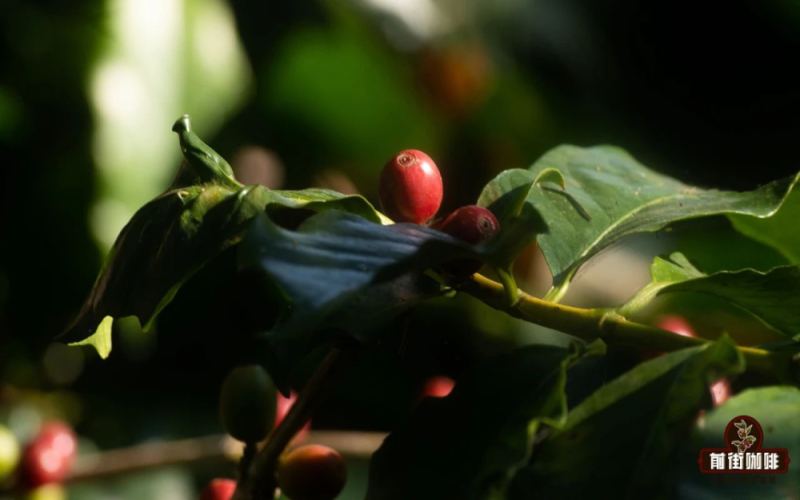
Typica is the most representative native variety of Arabica coffee and is widely recognized as the prototype of all Arabica mutations. Its history can be traced back to the coffee birthplace in southwestern Ethiopia, and it later spread gradually around the world via Yemen, India, Java, the Netherlands, and South America. The Typica coffee tree is characterized by bronze-colored young leaves, a tall and slender shape, and beans that are somewhat long, pointed, and curved. In terms of flavor, it often has citric acidity and clean sweetness, but it has extremely poor disease resistance, low yields, and high cultivation costs. This article will systematically review Typica's botanical characteristics, spread routes, and flavor differences among producing regions, and, in combination with Front Street Coffee's available bean selections from Papua New Guinea, Jamaica, Tanzania, and Lincang, Yunnan, share roasting and pour-over extraction ideas. [more…]
Golden Mandheling Coffee Flavor and Taste Analysis: A Comprehensive Look from Wet-Hulled Processing to PWN G1 Specialty Beans
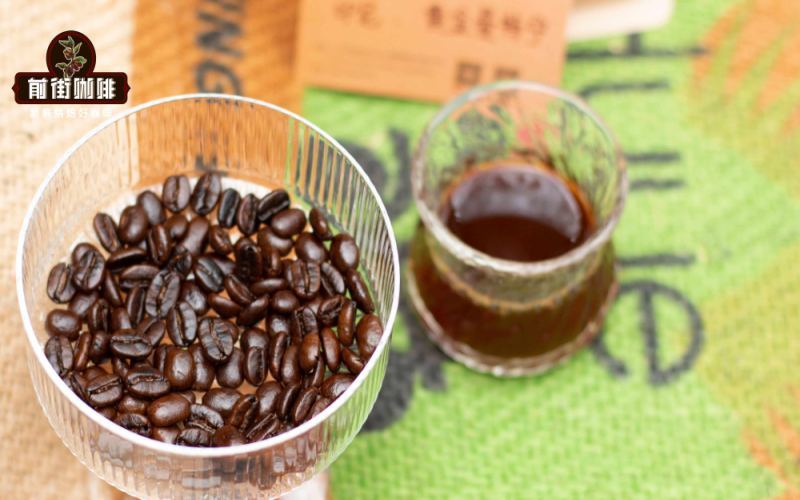
Golden Mandheling is the crown jewel of Indonesian specialty coffee, and the G1 grade produced by PWN is the finest representative of them all. This article offers a comprehensive analysis of the unique charm of Golden Mandheling from the perspectives of flavor and mouthfeel, processing method, and grade classification. Compared with Front Street Lintong Mandheling, Front Street PWN Golden Mandheling has a cleaner mouthfeel, with the herbal, earthy, and woody notes typical of traditional Mandheling greatly reduced and the caramel sweetness more prominent. Although the wet-hulled method it employs increases the defect rate, it endows the coffee with a distinctive herbaceous, musty aroma and a sense of terroir. Under deep roasting, caramel, dark chocolate, and nutty flavors interweave, making it suitable for various extraction methods such as pour-over, SOE, and moka pot, and an ideal daily staple for coffee lovers who pursue a rich, mellow taste without acidity. [more…]
Analysis of the Flavor Sources and Pour-Over Parameters of Ethiopian Sidama Natural Coffee
Sidamo is a significant coffee-producing region in southern Ethiopia, upgraded to a first-level administrative unit through a referendum in 2018. With elevations ranging from 1,400 to 2,000 meters, deep and fertile volcanic soil, and the diversity of microclimates and native varieties, it produces washed and natural coffees with exceptionally rich flavors. The highly favored Huakui in Front Street Coffee's bean lineup originates from the Hambela region of Sidamo, which rose to fame after winning the 2017 TOH competition. This article will outline the regional context and variety characteristics of Sidamo, and provide a detailed explanation of Front Street Coffee's medium-light roast Huakui pour-over recipe and flavor profile. [more…]